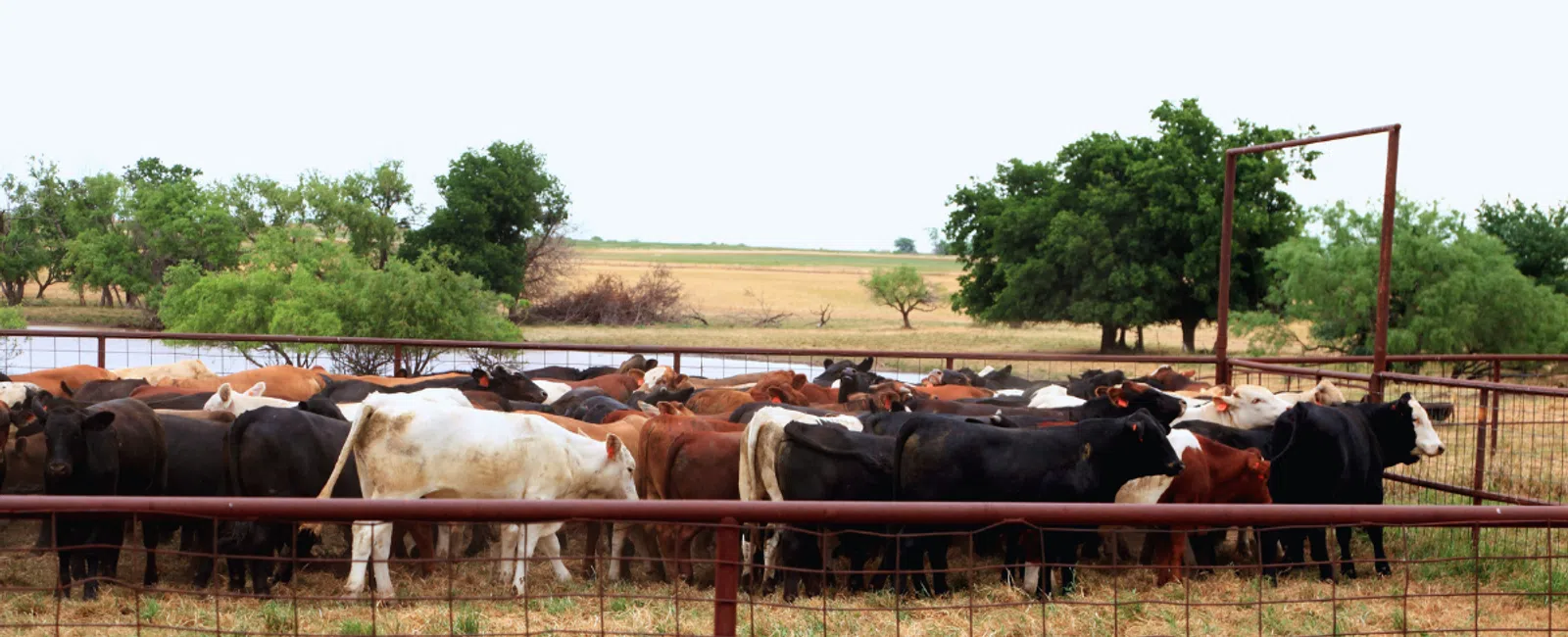
A well-designed set of cattle working pens is one of the most valuable investments a cattle operation can make. For farmers across Southwest Virginia, the right layout can provide safer handling, calmer animals, and far less time spent each season on routine work like vaccinating, tagging, and loading. A poorly designed setup does the opposite, adding labor, risk, and frustration every time you bring cattle in.
Start With What the Pens Need to Do
Every working setup needs to do four things. It needs to gather cattle, hold them, sort them, and restrain one animal at a time for vaccinating, tagging, preg checking, or loading. When you keep those four jobs in front of you, the layout starts to design itself. The goal is simple. You want cattle moving forward on their own with as little pushing as possible.
The Parts That Make Up a Working System
A solid setup has a few key pieces. You start with a holding pen, sometimes called a crowding pen, where cattle gather. From there, they funnel into an alley, which is the single-file lane that leads up to your chute. Keep that alley narrow, somewhere around 26 to 30 inches for grown cows, so animals cannot turn around on you.
At the end of the alley sits your chute. A good squeeze chute with a solid head gate is the heart of the whole operation, because that is where the real work happens. If you haul cattle, which most folks around Abingdon and Marion do, you will want a loading chute that lines up clean with a trailer.
Flow Is the Part Most People Get Wrong
This is where a lot of homemade pens fall apart. Cattle do not think the way we do. They want to move toward open space, and they like to circle back the way they came. That is why curved lead-up lanes tend to work better than straight ones. The cow thinks she is heading back to where she started, so she keeps moving.
Solid sides help too. When a cow cannot see out through the alley and chute, she stays calmer and keeps her feet moving. Add good footing so nobody slips, cut out the harsh shadows and dead ends, and you have a setup that does most of the work for you. If you have ever watched cattle balk at the same spot over and over, it is almost never the cattle. It is the layout.
Size It to Your Herd
You do not need a giant facility. A small operation running twenty or thirty head can get by just fine with a compact set of pens and one good chute. If you are working fifty head or more, you will want a bigger holding pen and room to sort. A rough rule is about twenty square feet per cow in the holding pen, a little more if you are running pairs. Build for the herd you have now and leave yourself some room to grow into.
Permanent, Portable, or Homemade
You have got options. Welded permanent pens last the longest and stand up best to rough cattle. Portable panel systems give you flexibility if you rent ground or move stock between farms. Plenty of folks build their own out of pipe and cattle panels. Homemade can work, but the failures usually show up in the same spots. Posts set too shallow, panels that flex when a cow leans into them, and gates hung in the wrong place. Cut corners on the bones of the pen, and the cattle will find the weak point for you.
Build It Once
A small, simple pen is a fine weekend project if you are handy. However, a permanent working facility that ties into your barn lots and fence lines is the kind of thing you want to get right the first time, because tearing out concrete and rehanging gates is less than ideal.
That is the part we handle. Ranch Hand is run by people raised on cattle and backed by HD Livestock, and we build barn lots, working pens, and fencing all across Southwest Virginia. If you are planning a setup and want it done right, give us a call.