Farm and Land Services in Saltville, Virginia
Ranch Hand Agricultural Enterprises serves Saltville and the surrounding farms of northern Smyth and Washington counties. Saltville sits about 22 miles north of our base in Abingdon, well within our regular service area. We work the corridor between Abingdon, Glade Spring, and Saltville on a steady rotation.
Contact Us Now
Local & Independent
Based in Abingdon, VA
Owner-Operated
Veteran Owned

Fast, Honest Quotes
Clear pricing, no surprises

Backed by HD Livestock
One-call solution
About Saltville
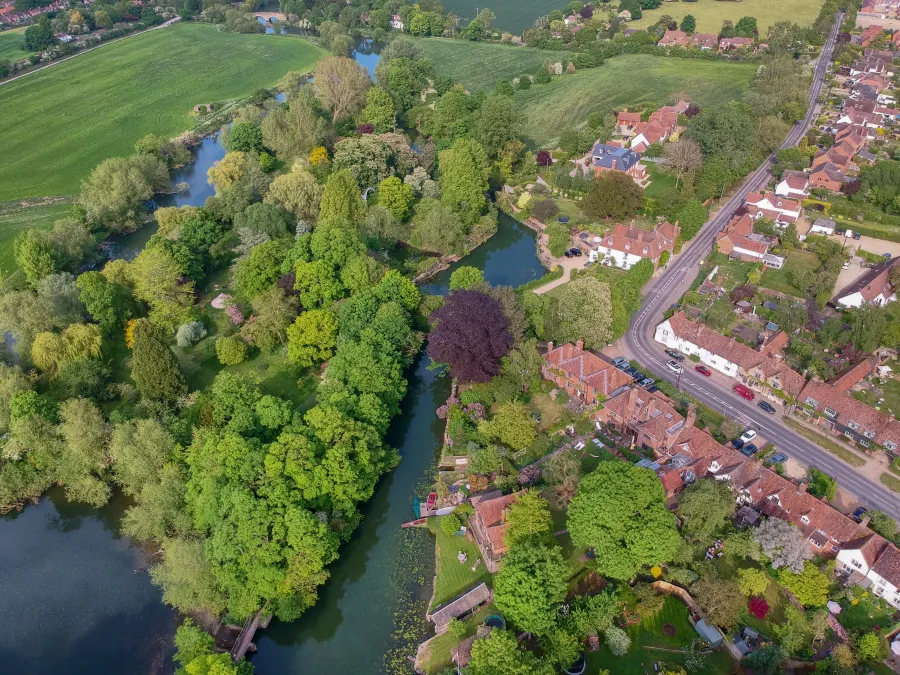
Saltville's history is unlike anywhere else in Southwest Virginia. The town sits on top of one of the most significant salt deposits in eastern North America, with commercial salt production dating back to the 1780s. During the Civil War, Saltville produced up to two-thirds of the salt used by the Confederacy, which made it a target for two major Union raids in 1864. The Mathieson Alkali Works (later Olin) operated here from 1892 until 1972 and produced everything from soda ash to the hydrazine rocket fuel that powered the Apollo missions.
That industrial past shaped the town, but the land around it has always been farming country. The valleys feeding into the North Fork of the Holston River include some of the best agricultural ground in northern Smyth County. The land was being farmed long before the salt industry arrived and continues to be worked today.
Working in Smyth County
Saltville sits primarily in Smyth County, with a portion of the town actually in Washington County. The county line runs right through the area. For farm work, this matters less than people sometimes think. Soils, terrain, and agricultural practices on both sides of the line are the same. The differences are administrative, not practical.
Smyth County has its own strong cattle tradition, with multi-generational farms and an active Virginia Cooperative Extension office. The Saltville-area cattle operations fit into that larger county pattern. Operations here tend to know what they need and how they want it done.
What We Do for Saltville Landowners
Saltville-area work includes the same core services we provide across the region. Cattle perimeter fencing on working operations, often on terrain that gets steep as you move away from the river bottoms. Pasture reclamation and brush clearing on properties that have been lightly used or unmaintained. Barn lots, working pens, and access roads for cattle operations and equipment storage. Ongoing maintenance, including brush hogging, fence line work, gate repairs, and seasonal upkeep.
Hauling in and out of Saltville is common, especially for materials, equipment, and supplies that need to come from regional suppliers. The road into Saltville from Glade Spring is a regular run for us.
The Land Around Saltville
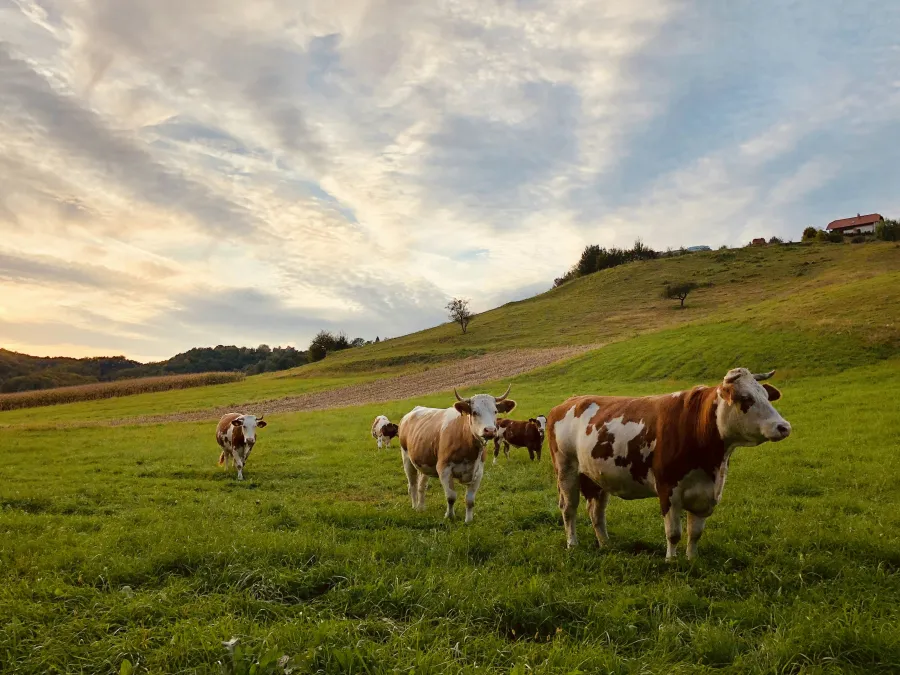
Saltville sits in the valley of the North Fork of the Holston River, surrounded by ridges and the broader Walker Mountain range. The country is a mix of working pasture, hay ground, and forested uplands. The river bottoms produce good hay and grazing land, while the higher ground runs more toward cattle pasture and woodlots.
The area has its own character. Some properties carry industrial legacy considerations from the Mathieson and Olin era. Some have been working farms since before that industry existed. New residential and recreational acreage has been added to the mix in recent years. We work across all of it.
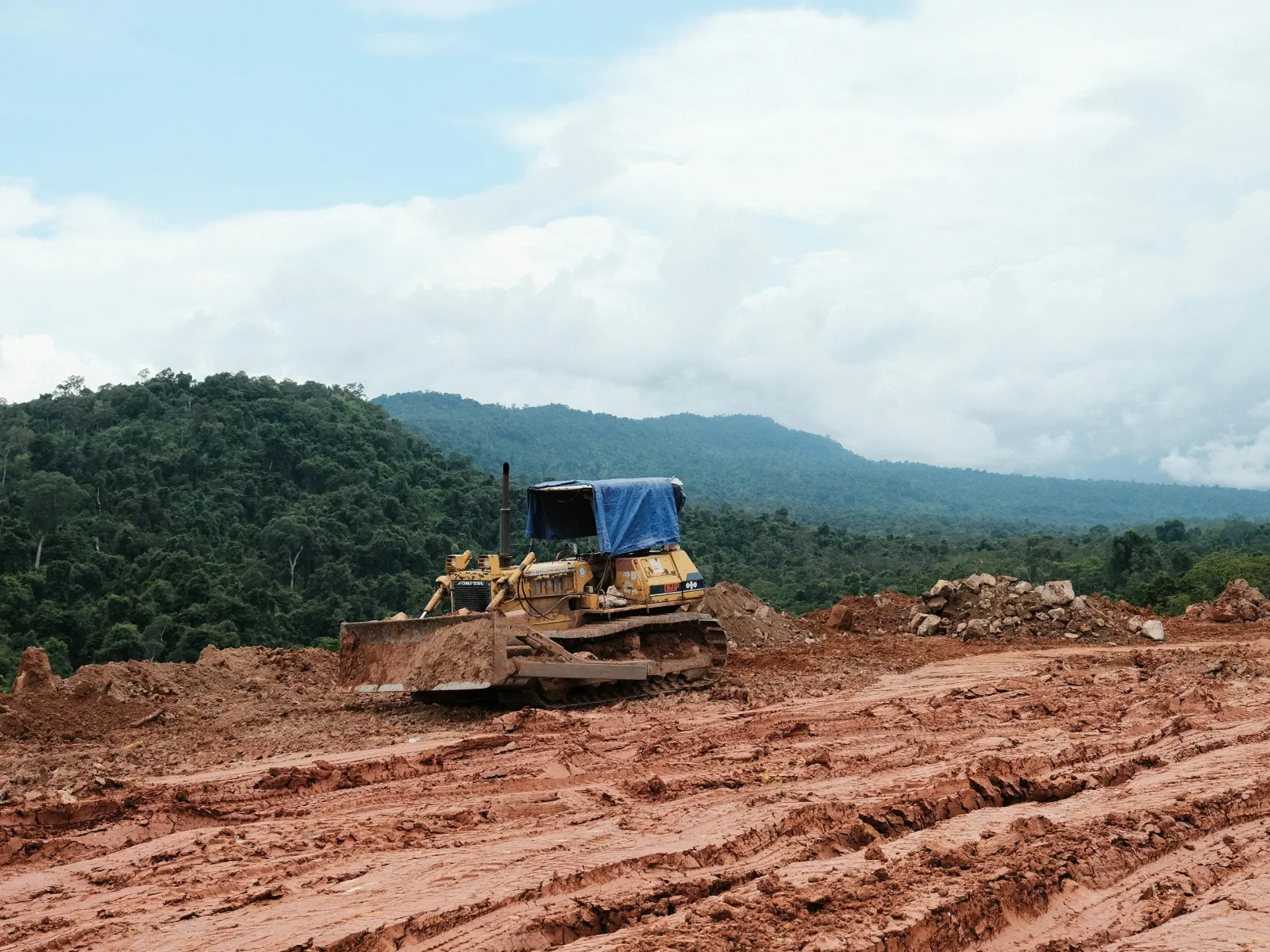
The Glade Spring to Saltville Landowners
The corridor between Glade Spring and Saltville along Route 107 is one of our more active service areas. The old Virginia and Tennessee Railroad spur that connected the salt works to the main line ran along this same general route. Today, the country along that corridor remains an active farming territory, with properties ranging from small acreage to substantial cattle operations.
We're out there constantly, installing new fences, handling maintenance, hauling materials, and checking on properties for absentee owners. That familiarity matters. We know the roads, the landmarks, the property lines, and how the seasons affect when work can actually get done.
One Call, One Crew, One Bill
Saltville-area projects often benefit from running multiple services through one operation. A new fence run almost always involves clearing the line first. New barn lots involve hauling stone in. Pasture reclamation involves both clearing and fence work. Running it all through Ranch Hand means one project, one timeline, one bill.

Ready to Get Started?
Tell us about your property in or around Saltville. We will respond fast with a clear, written quote and walk the land with you before any work starts.