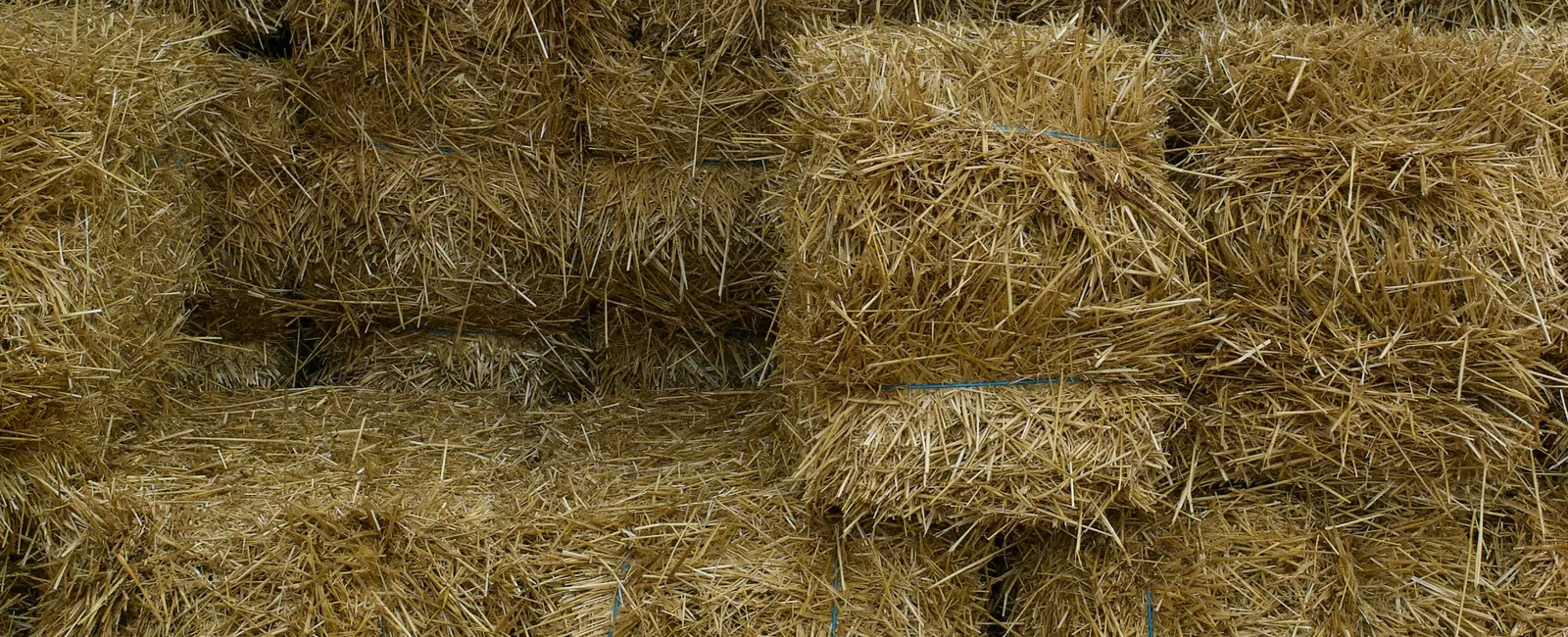
Hay that sits in the field too long after cutting starts losing quality within days, and a lot of farms in Southwest Virginia get caught without the truck and trailer combination needed to move it before rain rolls in. Hauling hay sounds simple until the load, the route, and the weather window all have to line up at once.
Why Hay Timing Turns Into A Hauling Problem
Cut hay needs to cure, get baled, and move off the field on a schedule that weather sets, not the farmer. A single afternoon storm can knock a cutting's quality down a full grade if the bales are still sitting where they landed. That pressure pushes a lot of hauling into a narrow window, often the same day or two as baling.
The problem is that most farms size their truck and trailer for everyday chores, not for clearing a field of round bales in one push. When the equipment on hand can't keep pace with the baler, hay stacks up faster than it can be moved, and the risk of weather damage grows with every hour it waits.
What It Takes To Move A Load Of Hay
Hauling hay is not the same job as hauling gravel or fencing supplies. A few things change the equation on every load:
- Bale type and size. Round bales and large square bales load differently and shift weight on a trailer in ways small square bales do not.
- Trailer capacity. A flatbed or gooseneck rated for the load matters more than whether it has room to physically hold the bales.
- Tie-down and coverage. Bales need to be secured for the drive and, depending on distance and forecast, covered to keep moisture out.
Getting any one of these wrong risks bales shifting mid-route, quality loss from exposure, or a trailer working harder than it should on Southwest Virginia's hills.
Rural Roads Change The Math
A lot of hay in this region moves over gravel lanes, steep grades, and narrow bridges before it ever reaches pavement. Those roads are harder on a loaded trailer than a straight run down a state highway, and they slow down a trip that looks short on a map. Farms tucked back from main roads often lose more time getting a load out to the highway than they do covering the rest of the distance to a barn or buyer.
Route conditions also affect how a load should be built. A trailer packed for a smooth highway run needs to be handled differently on a rutted farm road, where uneven ground puts more strain on tie-downs and trailer suspension alike.
When Hiring Out Beats Doing It Yourself
For a short trip with a small load, doing it yourself often makes sense. Hitch up, load, drive, and unload. But once the volume grows past what one trailer and one afternoon can handle, or the route runs through terrain the farm truck was not built for, the math starts favoring a hired haul.
Hiring out also removes the scheduling conflict. A farm crew that is baling, moving cattle, or handling fence repairs does not always have a free driver and a free trailer sitting idle at the exact moment hay needs to move. Bringing in equipment and a driver dedicated to just the haul keeps the rest of the operation running.
How A Hay Haul Works With Ranch Hand
Ranch Hand hauls hay alongside equipment, materials, and livestock support loads across Southwest Virginia. The process starts with a call describing what needs to move, where it is now, where it needs to end up, and the timeline. From there, pricing gets confirmed before the trailer ever leaves the yard, so there are no surprises once the job is done.
Pickup and delivery are handled with a trailer suited to the load, whether that means a gooseneck rated for a full field of round bales or a smaller rig for a partial load between cuttings. Once the hay is delivered, confirmation goes back to the farm so there is no guessing about what got moved and when.
For a farm racing a weather window or short on trailer capacity at the wrong moment, having a hauler on call takes one variable out of a stressful few days. Call Ranch Hand at 276-739-8116 to get a load scheduled before the next cutting sits too long in the field.